
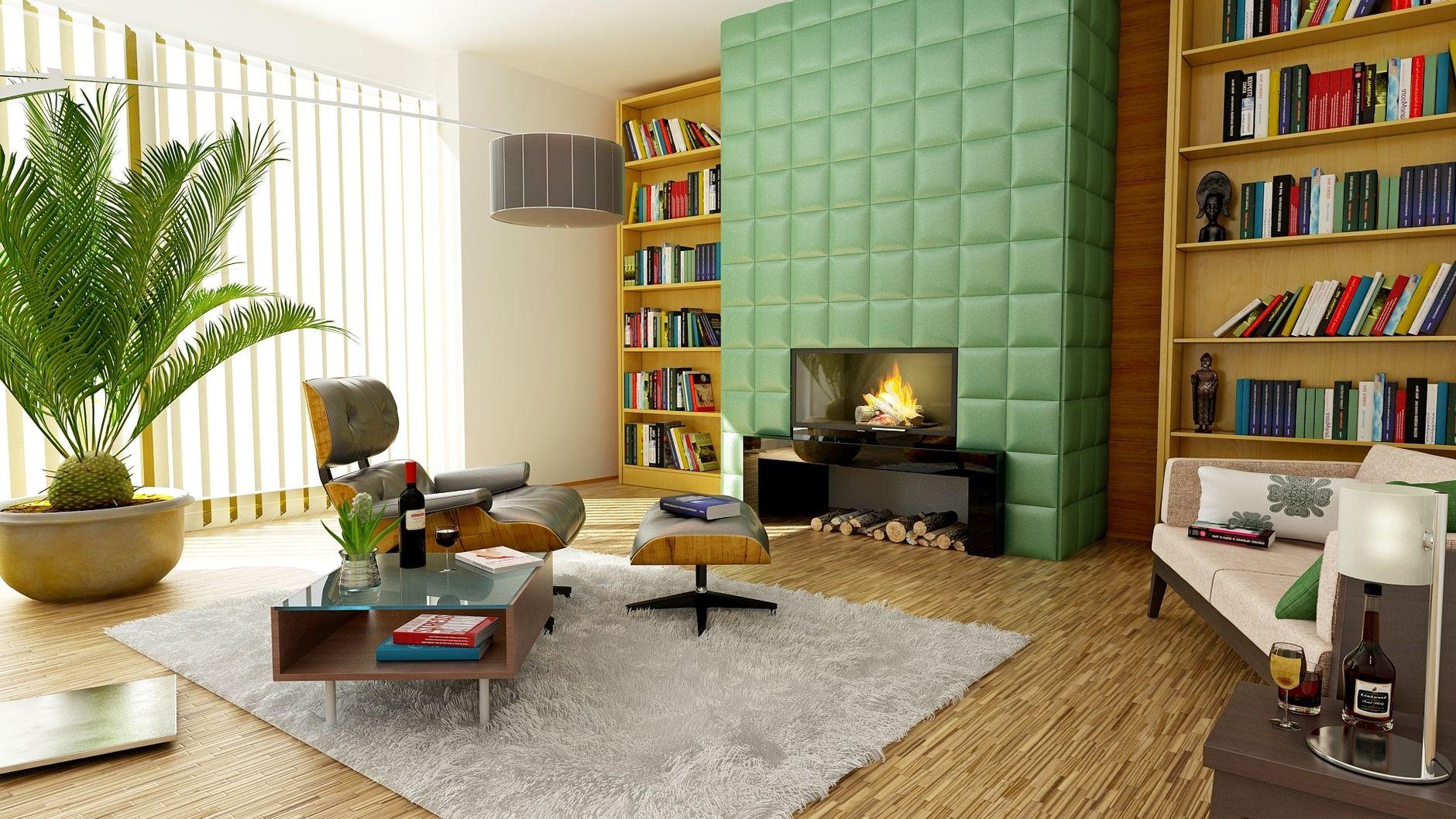
A Fireplace Remodel That Fits the Age of the House
Tell Us About the House
Leave a number and a line about the chimney. We ring back to ask when the house was built and plan the visit.
The Job in Brief
A remodel on an older house usually means keeping some of what is there, a tile surround or a carved mantel, and changing the rest. We start with the firebox and flue, since refacing over a cracked chamber wastes the money, then plan new tile, stone or plaster with the gap to the opening that current rules call for. The full scope comes as one written price.
Uncovering what earlier remodels hid
Every decade had its idea of a good fireplace, and older houses often carry two or three of them stacked on top of each other. A 1930s tile surround might sit under a 1970s layer of thin rock veneer, under a coat of white paint from the 2000s. Original brick may hide under drywall that someone screwed straight to it. Before we plan anything we look at what is likely to be under the current face. A loose corner, a gap at the mantel, or the edge of the hearth often shows the earlier material. If it looks worth saving, we open a small test area so you can see it before deciding. Uncovering is careful work: veneer and paneling come off without hammering the face behind, paint is lifted with methods that do not scar old brick, and tile is protected while the layers above it come away.
Restoring the original is not always the answer. Sometimes the old surround was damaged when the cover went on, or the brick underneath was never meant to be seen. Then a new face is the honest choice, and we help you pick one that suits the house: plain brick for a bungalow, smooth plaster for a Spanish style living room, tile in proportions close to what the era used. Whatever goes on, the face has to work with the fire behind it. Combustible trim and mantels need distance from the opening, and the hearth in front needs enough depth for the fire it serves. We measure those during the visit and include anything that needs to change in the plan. Older mantels were often set lower and closer than a new design would allow, and sometimes the answer is to keep the original mantel but raise it a few inches, so the house keeps its piece and the fire gets its room.
Planning a remodel around how the fireplace will be used
A remodel is also the time to decide what the fireplace is for. If it will keep burning wood, the firebox and damper should be put right before the new face goes on, since fixing them later means opening the new work. If you plan to switch to gas, the gas line, the insert or the log set and its clearances shape the opening, and the face is built around them. If the fireplace will be decorative only, the flue can be closed at the top and the damper sealed so the room no longer loses heat up the chimney, and the opening can be fitted with a screen or candles without any fire rules beyond keeping it closed. We ask about this at the start, because it changes the order of the work and what the surround has to tolerate.
The written quote lists the remodel in stages: removal of the old face, any firebox or hearth repair, the new surround and mantel, and any gas or insert work, each with its own price. That way you can see what restoring the original costs compared with building new, and choose. We protect the floors and furniture, keep dust down with filtered vacuums and plastic at the doorway, and clear out the old material at the end. To start, use the contact page to tell us a little about the fireplace as it is now, what you think may be under it, and whether you want to keep burning wood. If you know what the original surround looked like, from a neighbor's matching house or an old family picture, describe it in your note. If nobody knows, a visit is still enough; the edges of the current face usually give the earlier layers away.
How Wolcott Chimney Contractors Handles Older Chimneys
Look First
Nothing is opened up or removed before you have seen why
Matched Materials
Mortar, brick and parts chosen to suit the age of the house
Paper Prices
Each repair carries its own written price
Photo Reports
What we found, shown in pictures with plain notes
Where we do fireplace remodel
Any city listed below has its own page for this job, written around the age and build of the houses there.
CA
Lynwood: Fireplace Remodel
Lynwood is where Wolcott keeps its base, and 45% of the houses here are prewar. A bungalow with its fireplace intact usually has a brick stack, and we treat its first mortar, firebox and damper as worth saving.
Open the Lynwood pageCA
South Gate: Fireplace Remodel
South Gate built 47% of its houses before 1950, ahead of modern seismic codes. Many prewar stacks there hold scant steel, if any, so a Wolcott Level 2 inspection reads the brick above the roof first.
Open the South Gate pageCA
Hawthorne: Fireplace Remodel
Just 27% of homes in Hawthorne are detached, mostly postwar. Decades after the masons left, gas logs were set into plenty of those brick or block fireboxes, and Wolcott checks whether the old damper and flue suit that conversion.
Open the Hawthorne pageCA
Carson: Fireplace Remodel
Carson owners hold 74% of their homes, unusually many for the South Bay, and 77% of houses here predate 1980. With a ranch chimney that old, Wolcott opens up the smoke chamber, mortar joints and damper, where age hides.
Open the Carson pageOther Work We Do
Chimney Sweep
Brushing and vacuuming an older flue end to end, with the clay tile and mortar joints looked over while they are bare.
Read more →Chimney Inspection
A look at an older chimney against NFPA 211, at whichever of the three levels the house and its history call for.
Read more →Chimney Repair
Fixes for older chimneys that keep the original brick and tile where it is still sound and replace what has failed.
Read more →Fireplace Inspection
Firebox, damper, hearth and trim on an older fireplace looked over against modern clearance rules.
Read more →Fireplace Repair
Repairs that keep an original fireplace in use: firebrick, mortar, damper, hearth and smoke chamber.
Read more →Chimney Level 2 Inspection
A camera pass up the whole flue, with attic, crawl space and roof added, for sales and appliance changes.
Read more →Chimney Cap Installation
A cap sized to the flue of an older chimney, fitted so it can come off later without harming the crown.
Read more →Chimney Flashing Repair
Metal at the roof line reworked where an older chimney meets newer roofing, often after a reroof or two.
Read more →Chimney Masonry Repair
Repointing and brick work on older chimneys, with mortar mixed to suit the age and softness of the brick.
Read more →Chimney Rebuilds
Taking down and relaying an older chimney that can no longer be repaired, from the roof or from the ground.
Read more →Fireplace Cleaning
Ash, soot and stains cleared from an older firebox and hearth, with original tile and brick treated gently.
Read more →Gas Fireplace Cleaning
Gas logs, burner and glass cleaned on units fitted into older fireplaces, with the vent path looked over.
Read more →Gas Fireplace Repair
Faults traced on gas units fitted into older fireplaces: pilot, valve, ignition, switch and flame.
Read more →Fireplace Inserts
Gas or wood inserts set into older fireboxes, with a new liner up the old chimney.
Read more →Pellet Stove Repair
Repairs to pellet stoves vented through older chimneys or walls, from feed trouble to venting faults.
Read more →Wood Stove Repair
Repairs to wood stoves standing on older hearths or tied into old masonry chimneys.
Read more →Gas Logs
Gas log sets fitted into older masonry fireplaces, with the gas line, damper and flue looked at first.
Read more →Chimney Seismic Retrofit
Bracing and strapping for older brick chimneys that stand loose against a wood frame house.
Read more →Chimney Crown Repair
Fixes for the cement top of an older chimney, from sealing fine cracks to forming a new one.
Read more →Dryer Vent Cleaning
Lint cleared from dryer ducts in older houses, where runs are often long, crushed or patched together.
Read more →Chimney Liner Installation
Stainless liners for older chimneys whose clay tile is cracked, missing or the wrong size for a new appliance.
Read more →Chimney Leak Repair
Finding where water enters an older chimney and fixing that point, with the price range set before work.
Read more →Chimney Waterproofing
Breathable water repellent for older brick, applied after repairs so soft masonry can still dry out.
Read more →Chimney Damper Repair
Old cast iron dampers freed, repaired or replaced, or swapped for a seal at the top of the flue.
Read more →Chimney Chase Cover
Metal tops for framed chimney chases, common on mid-century additions and later fireplaces.
Read more →