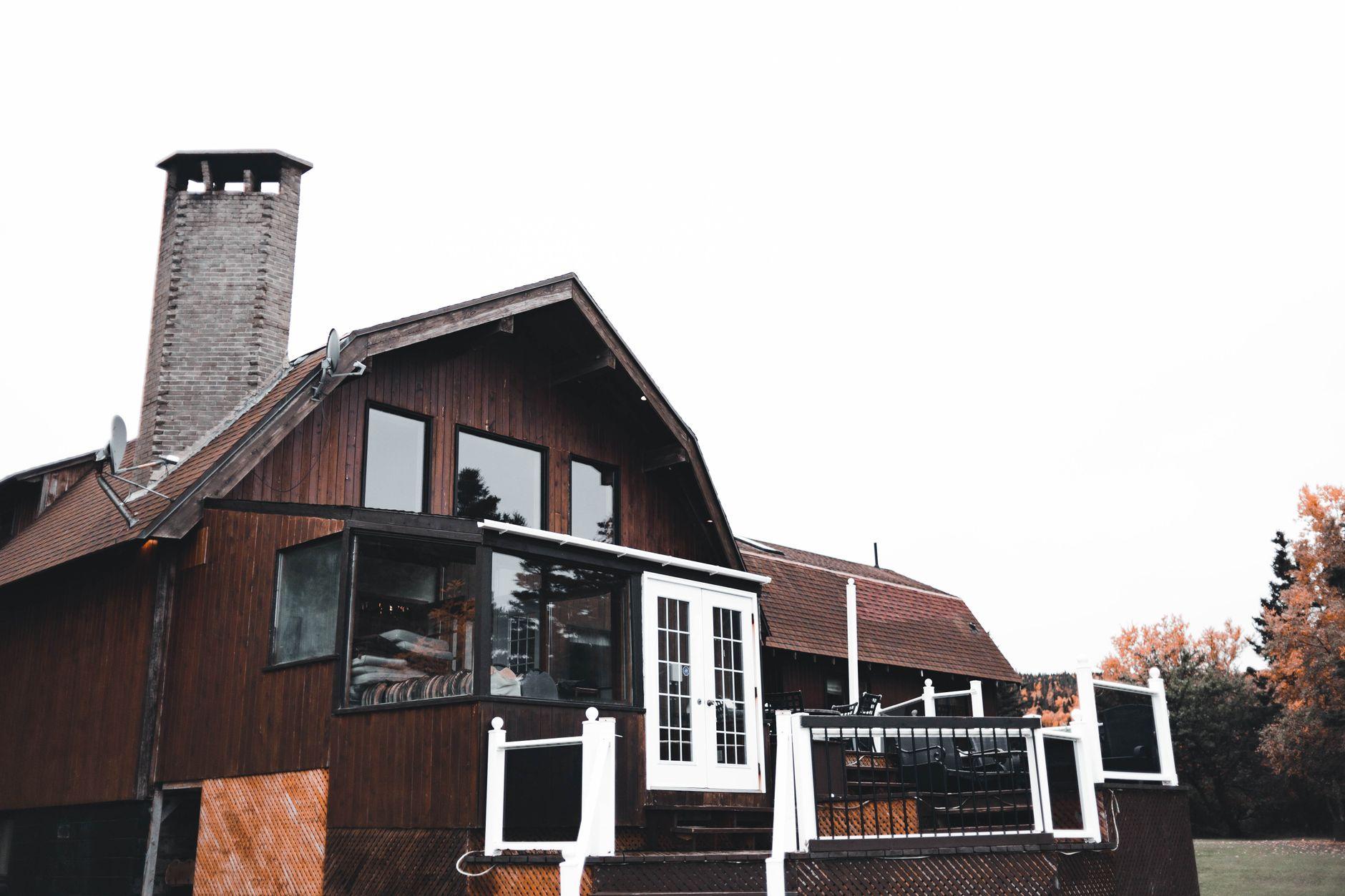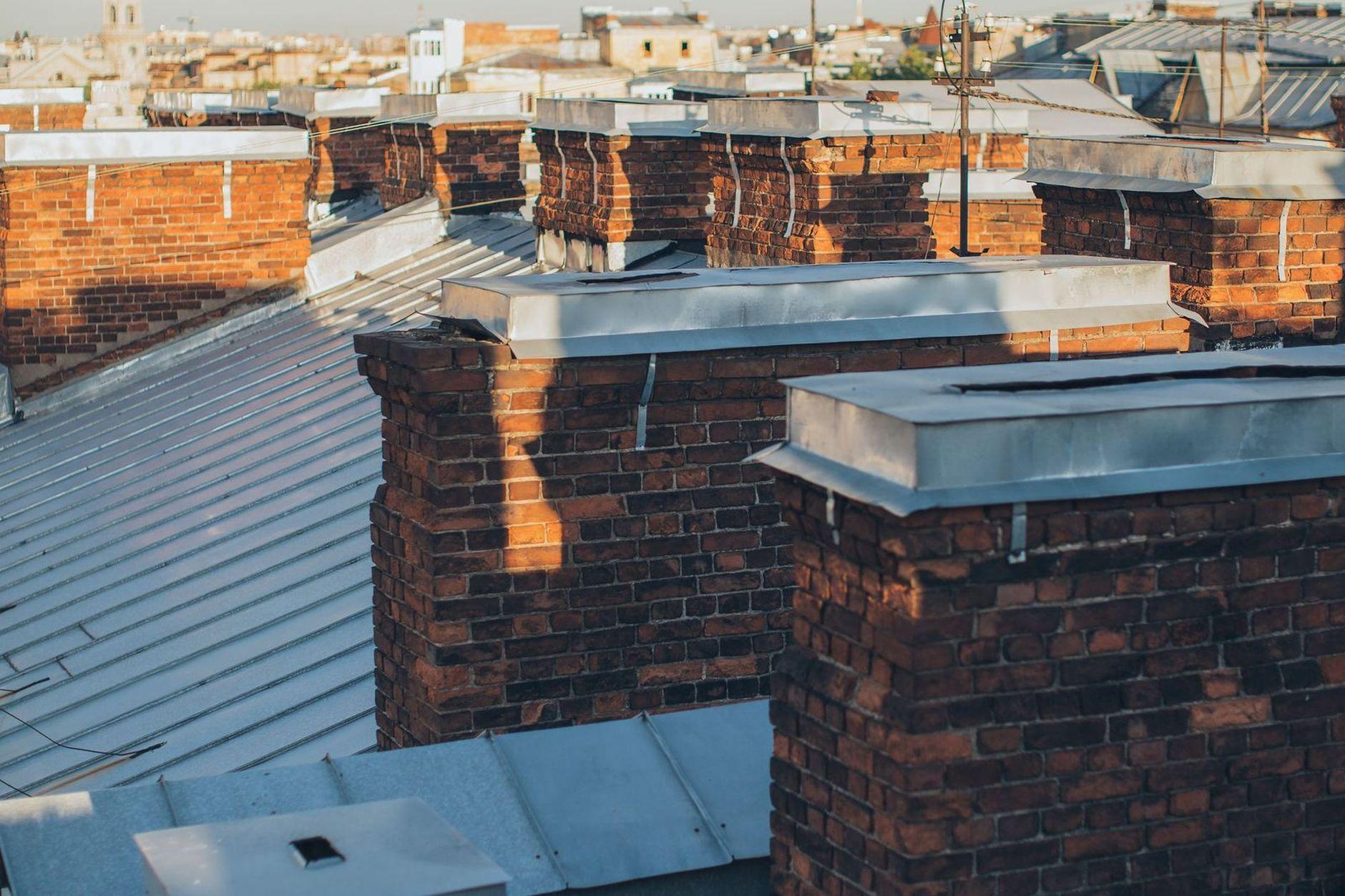
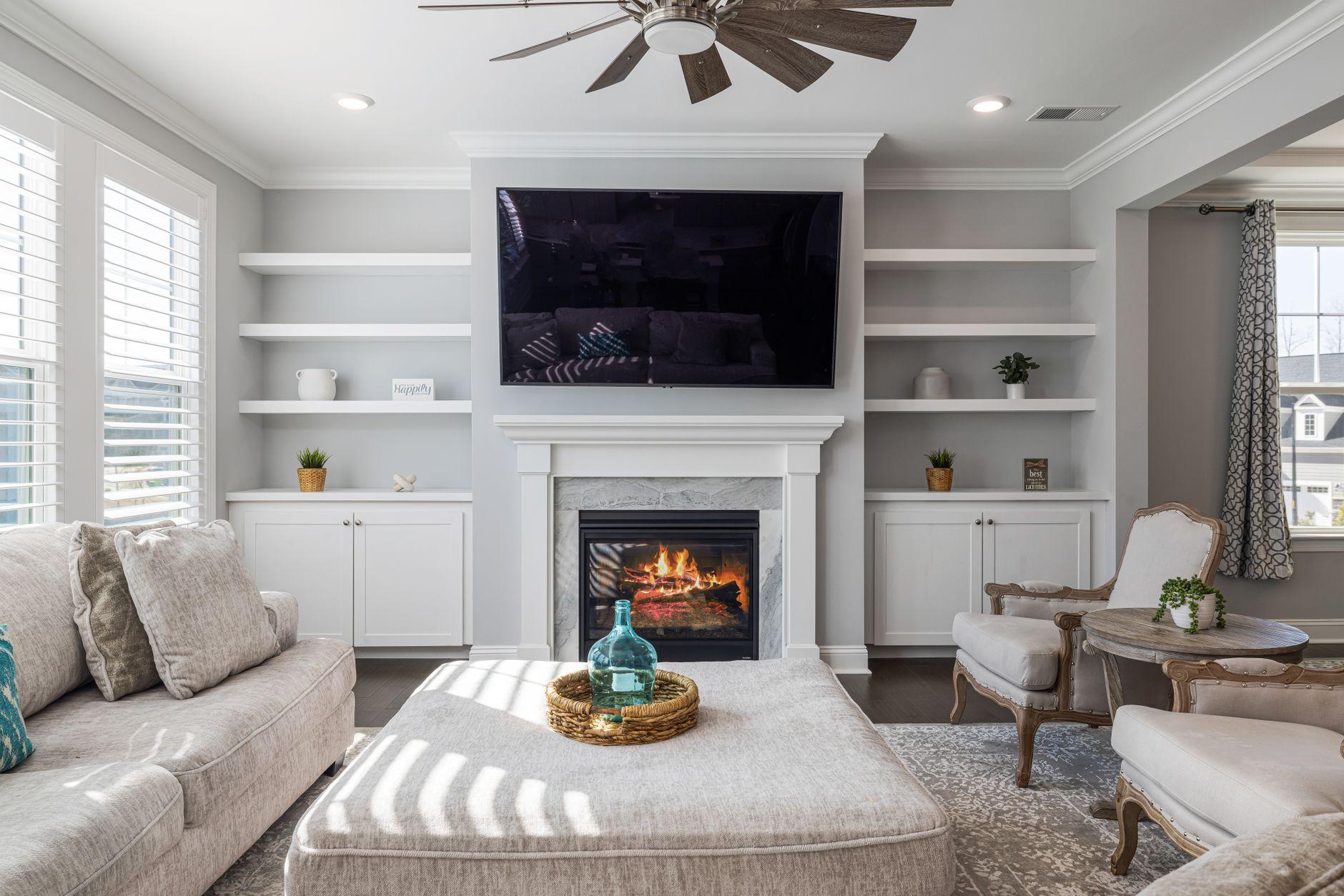
When you buy a house that has stood for seventy or eighty years, the chimney comes with a history nobody wrote down. It may have been through every quake since it was built. It may have burned wood every winter, or sat cold since the 1970s with a gas log set added later. The listing will not say, and the seller often does not know.
A Level 2 inspection is how you find out. With us it costs $400 for one flue, and on an older house in Lynwood it is the inspection we recommend for a purchase almost every time.
Why a flashlight is not enough on an old chimney
The buyer's general inspection is broad by design. It covers the roof, the plumbing, the wiring and everything else in one visit, and when it reaches the fireplace it can only report on what shows below the damper. On a newer house with a metal flue that may tell you a fair amount. On an older brick chimney it tells you very little, because the parts most likely to have failed are higher up and out of sight:
- the clay tile liner, which can crack in a quake or a chimney fire and look perfect from below
- the mortar joints between those tiles, which wash out over decades
- the smoke chamber, often left rough in older houses and sometimes crumbling
- the section of chimney where it passes through the attic, close to wood framing
A Level 2 puts a camera up the full height of the flue and adds a look at those hidden sections. It is also the level the national fireplace standard, NFPA 211, expects when a house is sold, and the one we suggest whenever a chimney's past is unknown. Our Level 2 inspection page has the full scope.
What we find most in older Lynwood chimneys
The house stock around Lynwood leans toward pre-war bungalows, small Spanish-style homes and post-war tract houses, nearly all with one brick chimney. On those, the camera turns up a familiar set of findings:
A cracked tile near the top. The highest tiles take the most heat swings and the most shaking in a quake. A single crack there is common and is usually fixed by relining.
Open joints along the run. Smoke and moisture pass through the gaps into the brick. On a chimney still used for wood, that matters.
No liner at all. Some of the oldest chimneys were built with brick only. That was the practice then, and it is not acceptable for burning now.
A gas log set in an unlined or damaged flue. Older houses often had gas logs added to a wood fireplace. The flue they vent through still needs to be sound.
Damage at the roofline. Soft mortar, a cracked mortar wash on top, and old tar patching where the chimney meets the roof.
None of these means the house is a bad buy. Each one has a usual fix, and the report tells you what it is.
What decides the next step for a buyer
What you do with the inspection depends on what it finds. If the flue is sound, you have a clean record to file with your purchase. If it is not, you have photos and a written finding to bring to the seller, with a price beside any repair that is on our list. Repairs that are not on our list, relining for example, get a written estimate on request. If you are ready to book, send the property and a word about the sale and we will confirm the visit and the price.
Our prices for an older-house purchase
| Visit or repair | Our price |
|---|---|
| Camera inspection, one flue | $400 |
| Visual look only, no camera | $56 |
| Sweep, if the flue is too sooty to film | from $430 |
| Cap over the flue, fitted | quoted after we measure |
| Water entry traced and closed | $570 to $3,400 |
A visual check is cheaper, but for a purchase it rarely answers the question you are asking. It cannot see a cracked tile ten feet up.
What the report contains
The report is written for someone who has never looked inside a chimney. It holds:
- photos from the roof, the firebox and inside the flue
- a finding for each part, in plain words
- a note on whether the finding bears on safety or is upkeep
- the price for any repair on our published list
- a line saying which parts, if any, we could not reach, and why
A buyer reads it to decide whether to ask for a repair or a credit. A seller can read it to decide what to fix before closing. Either way the facts are the same.
Who receives it
Whoever orders the inspection decides who gets copies. A buyer can send it to their agent and to the seller's agent from the start; a seller who orders one before listing can keep it private or share it. Tell us the names when you book and the report goes to all of them at once.
Questions from buyers of older houses
The seller says the fireplace has not been used in years. Does it still need the camera? Yes. A cold chimney still has to be sound before anyone lights it, and a buyer is likely to want to. Disuse also lets birds, leaves and moisture settle in.
Does an older house need anything beyond Level 2? Rarely. A Level 3 means opening up part of the structure to look at something the camera suggests but cannot confirm. We would only recommend it with a reason, and the report would say what that reason is.
Can repairs wait until after we move in? Some can. The report marks which findings are reasons not to burn and which can be planned for. That helps you decide what to ask for now.
When an older house with a chimney is on your list, start on the contact page and tell us how the sale stands.
Sounds Like Your Chimney?
Wolcott Chimney Contractors repairs brick, crowns and fireboxes on older houses, matches mortar to the original, and sends photos of the work. The crew works out of Lynwood and serves South Gate, Hawthorne, Carson and cities across the county.