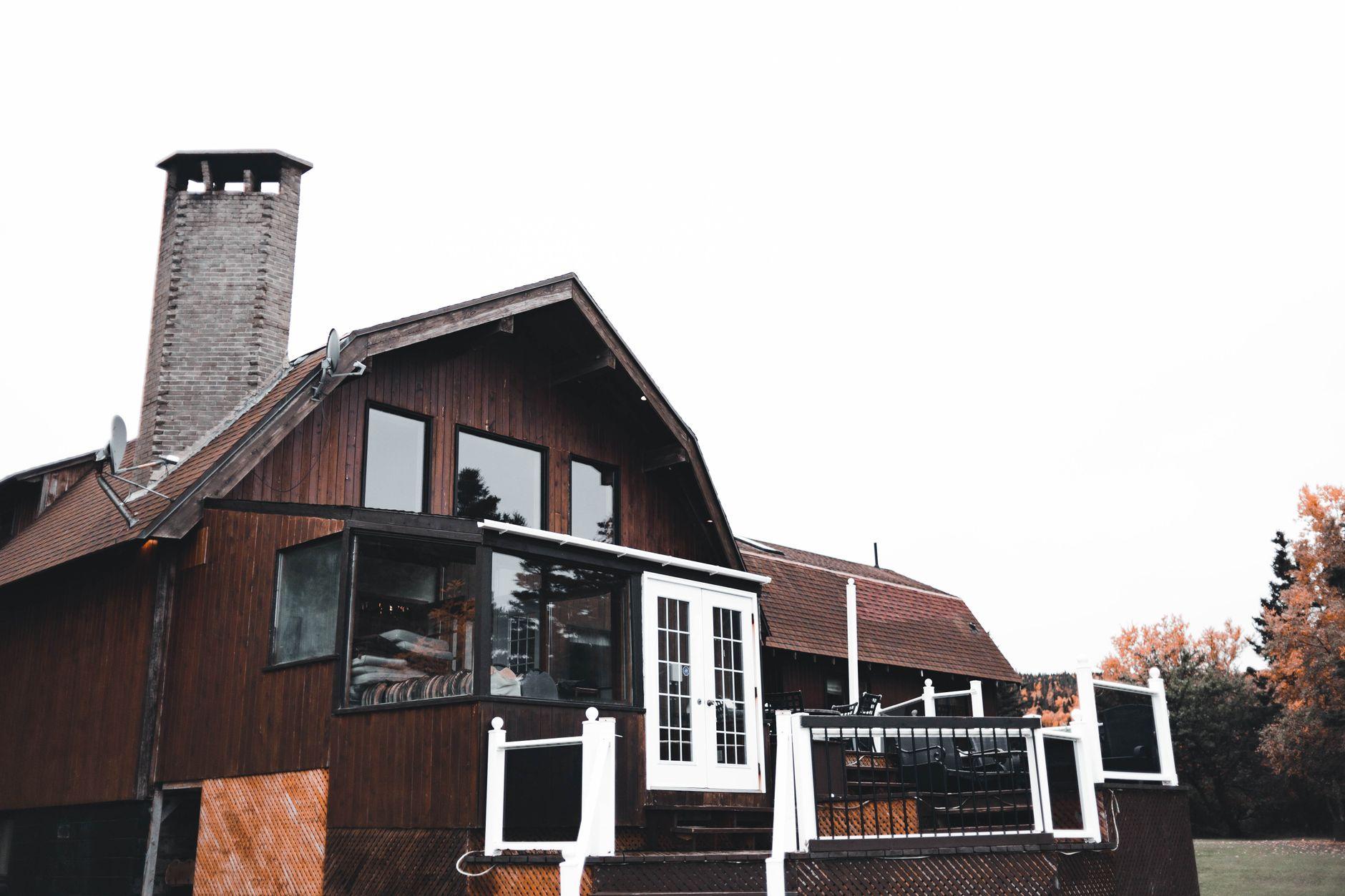
A chimney laid before the Second World War was usually built from softer brick and a mortar rich in lime. Neither is a fault. Both change what a repair costs, because the fix has to suit the material that is already there, and a modern hard mix forced into old joints can do more harm than the weather ever did.
This guide is for owners of older houses in Lynwood and the cities around it who have been told the brick "needs work" and want to know what that means in money before anyone climbs a ladder.
The parts of the job with a published price
Our price list is short on purpose. These items repeat from roof to roof with little variation, so we can print them:
| On an older chimney | Our price |
|---|---|
| Camera inspection of the whole flue (Level 2) | $400 |
| Visual look at what can be reached (Level 1) | $56 |
| Rain and animal cap, fitted | quoted after we measure |
| Tracing water to its entry and closing it | $570 to $3,400 |
| Saddle on the high side of a wide stack | $455 to $1,030 |
| Saddle built in with the roof metal renewed | $685 to $1,700 |
The masonry itself is not on that table: repointing, relaying the top of the stack, replacing a crown. Two chimneys of the same age on the same Lynwood street can be days apart in labor. We write one figure for your chimney after we have been on the roof and, where it matters, run the camera. See chimney masonry repair for the scope of that work.
What moves a masonry figure up or down on an old stack
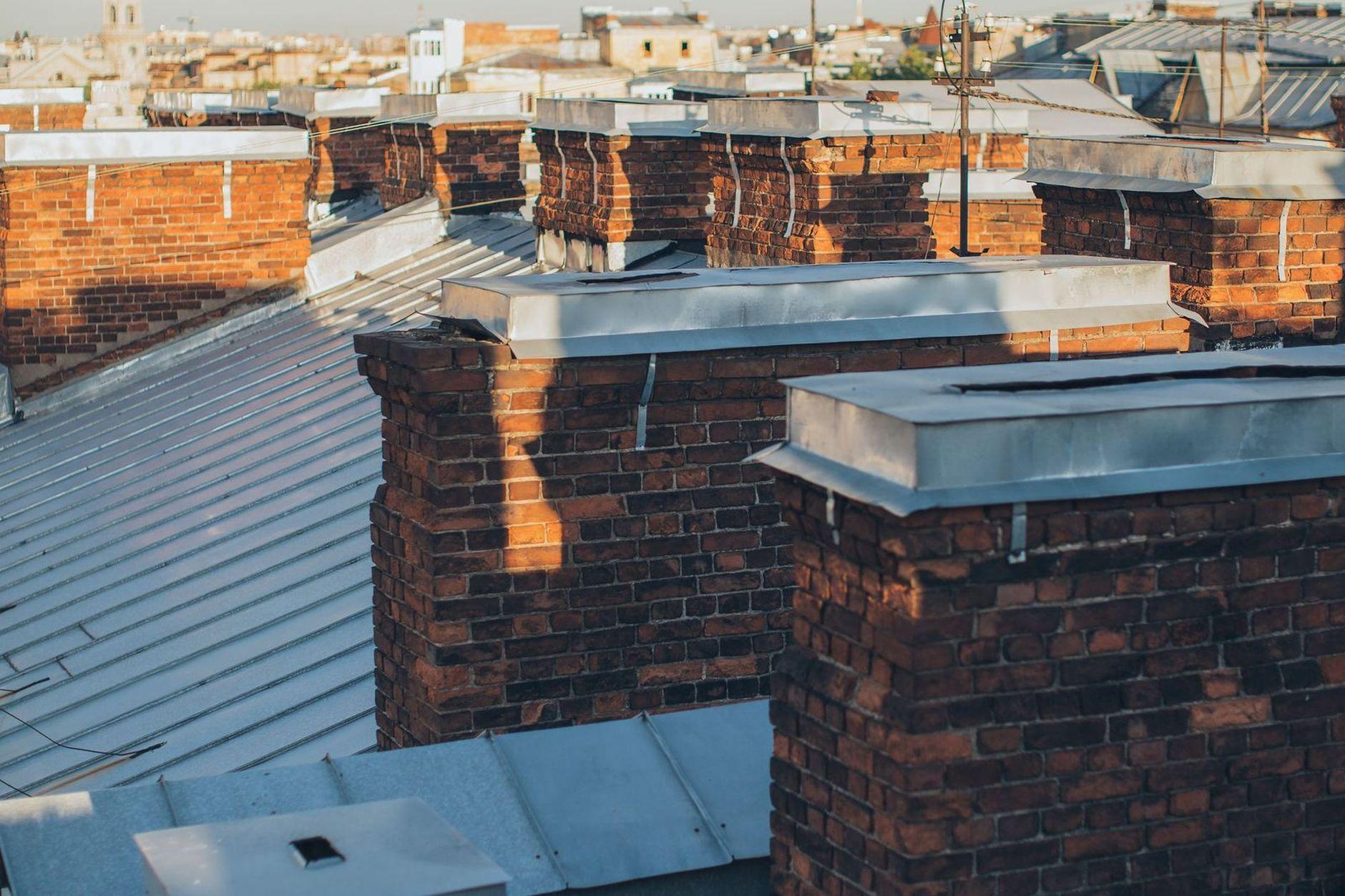
How far the mortar has gone soft. Lime mortar wears back from the face over the decades. If the joints are shallow only in a band near the top, repointing that band is a modest job. If a key slides into the joints from the roofline to the cap, the whole exposed stack needs doing.
Whether the brick faces are sound. Older brick was often fired at lower heat. Once water gets behind the hard outer skin and the face pops off, which masons call spalling, that brick has to be cut out and replaced. Finding salvaged brick of a matching size and color is part of the cost, and the estimate says how close a match we expect.
The top few courses. The brick above the roofline takes the most weather and, in a quake, the most movement. When those courses are loose, repointing will not hold them, and the top has to be taken down and relaid. That is a partial chimney rebuild, and it is priced as one.
The top of the chimney. Many older chimneys have only a thin mortar wash on top, shaped by trowel and often cracked through. Replacing it with a poured crown that overhangs the brick is its own line. Our crown repair page covers the choices.
Getting to it. A single-storey bungalow with a low roof is a different day from a two-storey Spanish house with clay tile, where every tile we lift has to go back unbroken.
Why soft brick gets soft mortar
This is the one piece of history that changes the work. Lime mortar is meant to be the weak part of the wall. It gives a little, lets moisture out, and wears away before the brick does, so the brick survives. Mortar heavy in portland cement is harder than old brick. Packed into an old joint it stops moving, holds water against the brick, and the brick beside it cracks or spalls instead. A cheap repoint in the wrong mix can shorten the life of a chimney that has already stood for ninety years.
So when we price repointing on an older stack, the estimate names the mortar. If an earlier repair used a hard mix, we note it, because that mortar sometimes has to be cut out as well.
What we find most on Lynwood houses
The houses around Lynwood, South Gate and Hawthorne run heavily to modest pre-war and post-war homes with one brick chimney on an outside wall. On those, the usual list reads:
- open joints in the top third of the stack
- a cracked mortar wash where a crown belongs
- roofing tar smeared over the gap where the chimney meets the roof
- worn faces on the side that takes the winter rain
- a clay flue tile cracked near the top
Each finding goes in the report with a photo and, where our list has one, a price. The rest get a written number.
What decides the next step
That depends on what you already know. If nobody has filmed the flue, start with the Level 2 at $400, because outside masonry work is money poorly spent if the tile inside is broken and the chimney needs relining or a deeper rebuild anyway. If you already hold a recent camera report, tell us what it found and we price the masonry from that plus a roof visit. To start, describe the chimney and what you have noticed, with a rough idea of when the house went up.
What the written masonry estimate lists
- each area to be repointed or relaid, located on the stack
- the mortar we plan to use, and why
- brick replacement, with a note on matching
- crown work on a separate line
- any roof work needed to reach the chimney, and who puts the roof back
- a stop point: if opening the joints shows looser brick than the photos did, work pauses until you approve the change
Questions owners ask about old brick
Can the chimney be saved, or must it come down? Most can be saved. A stack only needs taking down to the roofline when the top courses have lost their bond or the brick itself has lost its strength. Even then, the part below the roof often stays.
Will new joints look different? Fresh lime mortar starts lighter and weathers in. We can tint it toward the old joints so the repair does not stand out from the street.
Is it worth repairing a chimney nobody lights? A cold chimney still carries tons of brick above your roof and still lets water in. We can price a repair, a cap to close it off, or both, and you choose.
When you want a figure for your own chimney, the contact page is where it begins: say which part of the brick worries you and roughly what decade the house dates from.
Sounds Like Your Chimney?
Wolcott Chimney Contractors repairs brick, crowns and fireboxes on older houses, matches mortar to the original, and sends photos of the work. The crew works out of Lynwood and serves South Gate, Hawthorne, Carson and cities across the county.